On International Youth Day, 12 August, more than 600 young people from around the world gathered at UN Headquarters in New York for the Youth and AI Summit, organised by the International Organization of Youth. At the end of the day they presented a Youth-led Declaration on AI Policy and Governance that will inform future UN-led efforts to shape global AI governance, including the Global Digital Compact.
I want to highlight one thing that was said, because it is an important governance principle I have rarely heard stated so clearly.
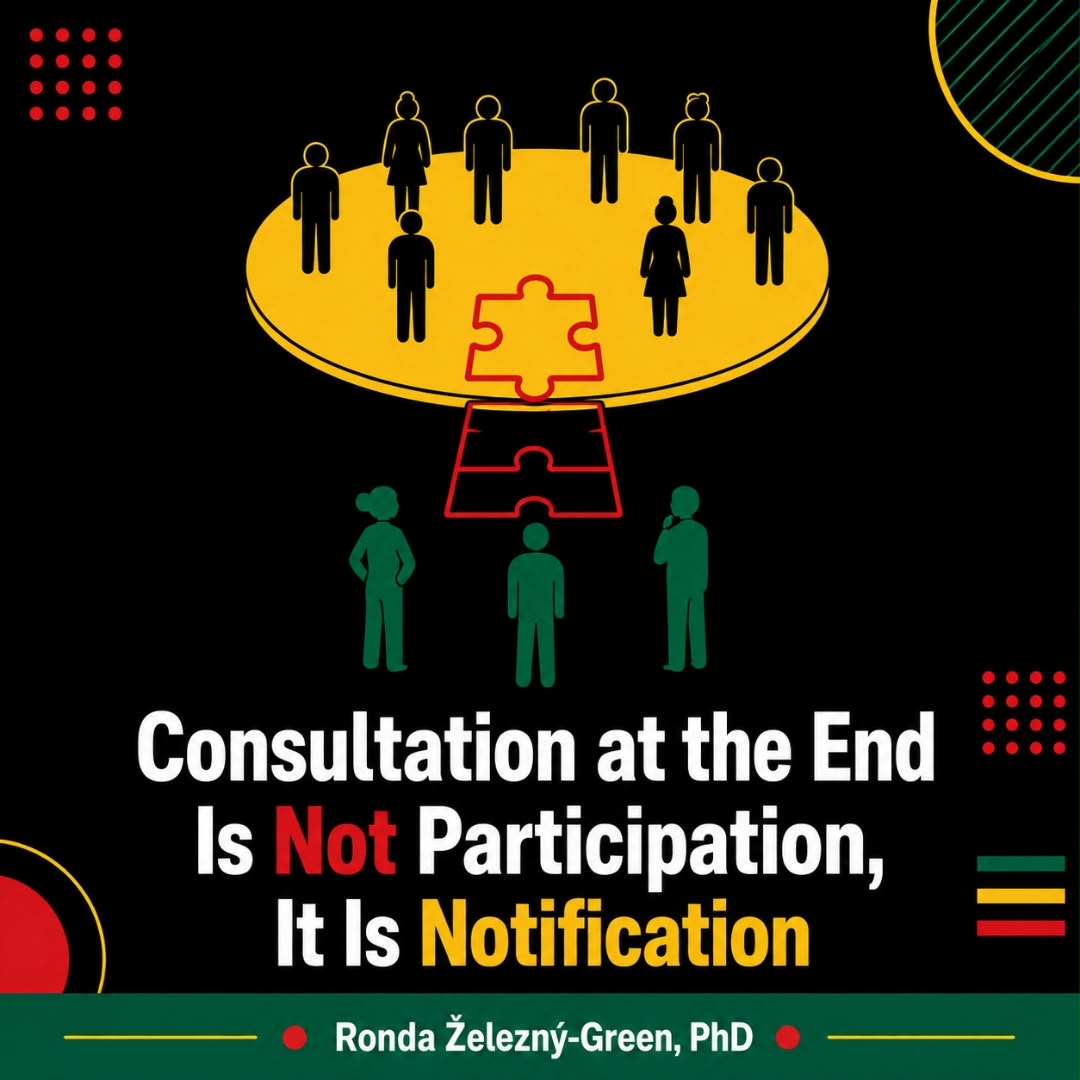
Assistant Secretary-General for Youth Affairs Felipe Paullier said: “Meaningful youth participation is not about being consulted in a tokenistic way at the end of a process. It’s about involving them at the beginning.”
That sentence is not just about youth. It is about every community that AI decisions will affect most and whose voices are gathered after the architecture has already been built and sometimes not even then!
A June 2026 UNICEF analysis drawing on data from 10 countries estimates that at least 20 million children have used AI, many adopting it at rates more than three times faster than adults. The ILO published a report the same week of the event, finding that 6.1 percent of jobs currently held by young people aged 15 to 29 fall in the categories most exposed to AI disruption. The generation in that room at the UN is the generation that will live longest with the consequences of the governance decisions being made right now. The Ambassador of Dominica, Philbert Aaron, said it plainly: “This is not simply a conversation about technology. It is a conversation about power, dignity, opportunity, culture and the future we choose to build together.”
And yet, as Paullier acknowledged, young people are “sometimes included in these conversations, but only at a few moments.”
The same is true for developing countries. Sheikh Jaffar Khan Mandokhail, governor of Pakistan’s Balochistan region, said it directly: “Technological progress will not automatically translate into human progress if developing countries lack access to the infrastructure, computing capacity, skills, finance and knowledge.” With ambassadors from the Bahamas and Dominica helping to organise the summit, and with participation from Pakistan and Tonga, the conversation in that room reflected a wider range of stakes than most AI governance forums do.
This is the governance test I keep returning to in my own work. Who is in the room when the architecture gets built? Who shapes the questions before the answers are written? Consultation at the end of a process is not participation. It is a notification, and notification is not governance.
The Youth-led Declaration on AI Policy and Governance is a beginning. What would meaningful youth participation in AI governance look like in your context?

